
Product
Product Center
Position: Home > Product > Pre-treatment
Pre-treatment

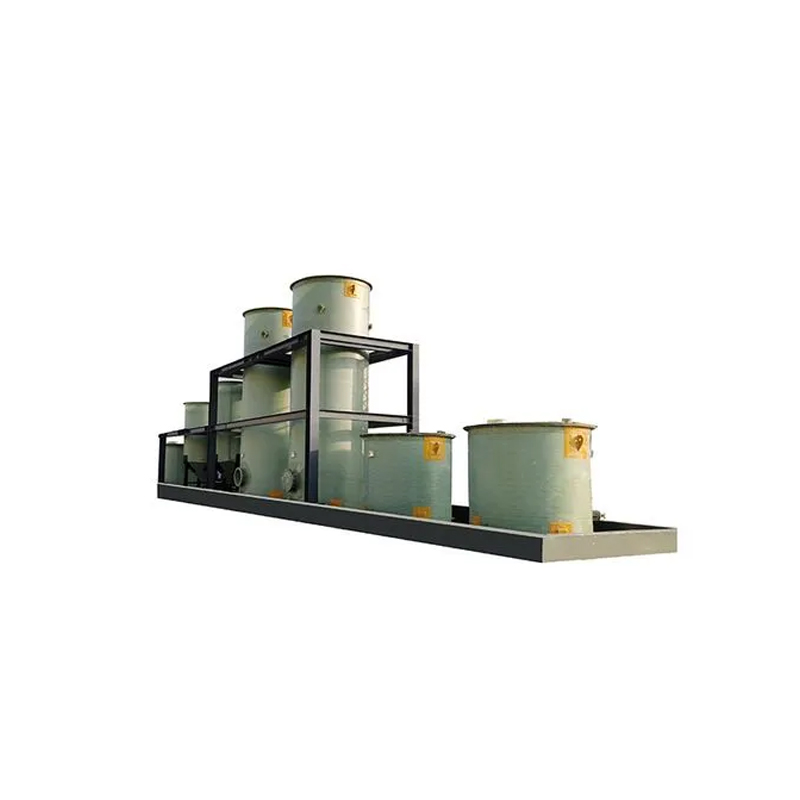
Micro-electrolysis reactor

Introduction to Micro-Electrolysis ReactorA micro-electrolysis reactor is an advanced environmental treatment device that leverages the principle of micro-electrochemical reactions

Introduction to Micro-Electrolysis Reactor

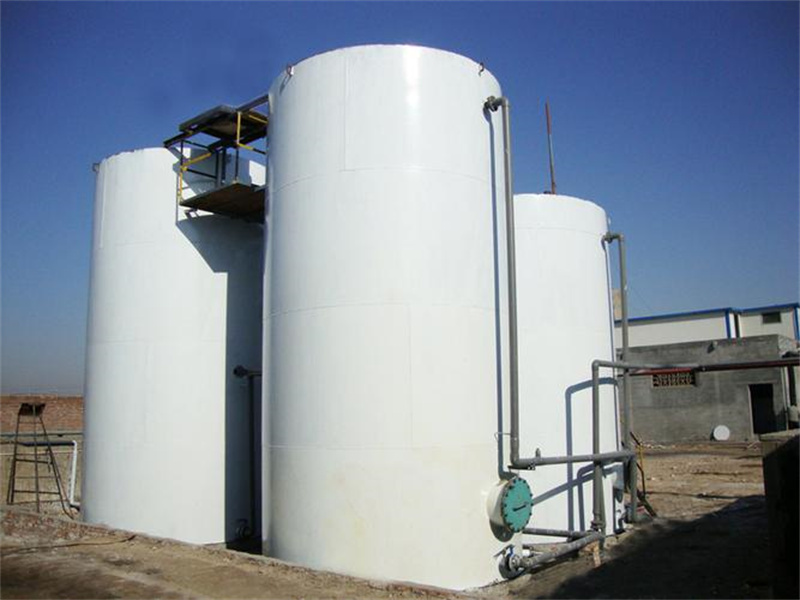
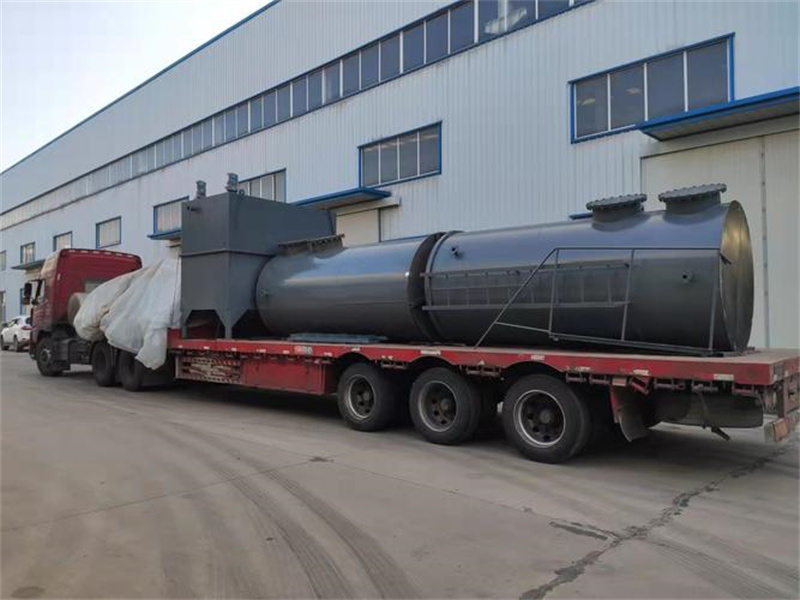
A micro-electrolysis reactor is an advanced environmental treatment device that leverages the principle of micro-electrochemical reactions to purify wastewater, remove pollutants, and enhance the biodegradability of complex organic contaminants. It has become a critical technology in industrial wastewater treatment, especially for high-concentration, refractory organic wastewater from sectors such as chemical engineering, printing and dyeing, pharmaceutical, and petrochemical industries.
000010.jpg

1. Core Working Principle

The reactor operates based on the galvanic cell effect formed by heterogeneous metal materials (typically iron and carbon, known as "iron-carbon micro-electrolysis"). When these materials are immersed in wastewater (an electrolyte solution), countless micro-galvanic cells are spontaneously formed:

  • Anode (Iron): Undergoes oxidation reaction: \( \text{Fe} \rightarrow \text{Fe}^{2+} + 2\text{e}^- \). The generated \( \text{Fe}^{2+} \) further oxidizes to \( \text{Fe}^{3+} \), which hydrolyzes to form flocculent precipitates (e.g., \( \text{Fe(OH)}_3 \)) that adsorb suspended pollutants.
  • Cathode (Carbon): Reductive reactions occur, producing active hydrogen (\( \text{H} \)) and hydroxyl radicals (\( \cdot \text{OH} \))—highly reactive species that break down stable organic molecules (e.g., benzene rings, azo bonds) into smaller, more biodegradable compounds.

Additionally, the reactor optimizes mass transfer efficiency through internal structural designs (e.g., packed beds, fluidized beds), ensuring full contact between wastewater and the metal-carbon matrix.

2. Key Advantages

Compared with traditional wastewater treatment technologies (e.g., chemical oxidation, biological treatment), micro-electrolysis reactors offer distinct benefits:

  • High Pollutant Removal Efficiency: Effectively degrades refractory organics, reduces COD (Chemical Oxygen Demand) by 30%-80%, and improves B/C ratio (Biochemical Oxygen Demand/COD) from <0.3 to >0.5, laying the foundation for subsequent biological treatment.
  • Cost-Effectiveness: Uses low-cost iron and carbon materials; requires minimal energy input (no external power supply for basic operations); and has simple maintenance procedures.
  • Versatility: Adapts to various wastewater types (e.g., acidic, neutral, high-salt) and can be combined with other processes (e.g., Fenton oxidation, biological aerated filters) to form integrated treatment systems, meeting different discharge standards.

3. Typical Applications

  • Printing and Dyeing Industry: Degrades azo dyes, anthraquinone dyes, and auxiliary chemicals; reduces chroma by over 90% and improves wastewater biodegradability.
  • Pharmaceutical Industry: Breaks down complex organic intermediates (e.g., antibiotics, steroids) that are difficult to biodegrade, reducing toxic substances in wastewater.
  • Chemical Industry: Treats wastewater containing phenols, anilines, and nitro compounds; removes heavy metal ions (e.g., Cu²⁺, Cr⁶⁺) through adsorption and precipitation.
  • Landfill Leachate Treatment: Reduces refractory organics and ammonia nitrogen in late-stage leachate, complementing biological treatment processes.
000064.jpg

4. Operational Considerations

  • Material Replacement: Iron filings are gradually consumed during reactions; regular replacement (every 3-6 months, depending on wastewater load) is required to maintain treatment efficiency.
  • pH Control: The optimal reaction pH is 2-4 (acidic conditions). For neutral/alkaline wastewater, pre-acidification with sulfuric acid or hydrochloric acid is necessary.
  • Sludge Treatment: The reactor generates iron-containing sludge; proper dehydration and disposal (e.g., landfill, resource recovery) are required to avoid secondary pollution.

In summary, the micro-electrolysis reactor is a high-efficiency, low-cost environmental treatment technology, playing an increasingly important role in solving industrial wastewater pollution challenges and promoting green production.


Online Message
Are you interested in our products? If you would like to contact us directly
Name:*
Email:*
Tel:*
Add:*
Message:*
Previous:Fenton
Next:None
About Us

We are a sewage treatment company that integrates technology research and development, project design, equipment manufacturing, engineering installation, commissioning and operation, technical consulting services, and after-sales service

Tel:
1333-5257-655
Contact Us

TEL

1333-5257-655

EMAIL

sdwfzgj@126.com

ADD

No. 2 Harmony Road, Zhuliu Street, Changle County, Weifang City, Shandong Province

Contact Us
Chinese website
